Emma Raducanu Return Date Confirmed After Two-Month Health Struggle
For months, questions surrounded the future of Emma Raducanu. Fans wondered when she would finally return, whether her body was ready for the demands of elite tennis again, and if the former US Open champion could rediscover the spark that once stunned the sporting world. Now, after weeks of uncertainty and concern surrounding her physical condition, a return date has finally been confirmed — and the news has already sent waves of excitement throughout the tennis community.
The last two months have not been easy for Raducanu. Behind the scenes, the young British star has been fighting a difficult physical battle while trying to protect both her health and her long-term future in the sport. While headlines often focus on rankings, trophies, and expectations, the reality for Raducanu has been far more personal. Recovery, patience, and mental resilience became more important than results.
For a player who rose to global fame almost overnight, the road back has never been straightforward.
Ever since her historic triumph at the 2021 US Open, Raducanu has lived under an intense spotlight. Winning a Grand Slam as a teenager without dropping a set transformed her into one of the most recognizable athletes in the world. She became more than just a tennis player overnight. She became a symbol of youthful confidence, possibility, and global stardom.
But success at that level also brought enormous pressure.
Every match started being analyzed. Every injury became breaking news. Every tournament absence raised speculation about her future. For someone still learning the physical and emotional demands of life on the professional tour, the expectations became relentless.
Over the past two seasons, injuries have interrupted her momentum repeatedly. Different physical problems affected her ability to build rhythm and consistency. Just as she seemed ready to regain confidence, another setback would emerge. It became a frustrating cycle — not only for fans but for Raducanu herself.
The recent two-month health struggle was particularly concerning because it arrived at a crucial stage of her comeback process. After working hard to rebuild her form, she was again forced to step away from full competition and focus on recovery.
Reports surrounding her condition initially remained unclear. Some believed it was simply precautionary management. Others feared a more serious setback. Throughout the period, Raducanu and her team remained relatively careful with public statements, preferring not to create panic while also refusing to rush her back before she was physically prepared.
That cautious approach now appears to have paid off.
Confirmation of her return has brought relief across British tennis circles and among supporters worldwide. More importantly, it signals that Raducanu herself finally feels ready to compete again at the highest level.
The timing could not be more important.
This phase of the tennis calendar is critical for players trying to regain momentum before the biggest events of the season. Match sharpness matters. Confidence matters. Physical endurance matters even more. Returning after weeks away from competitive tennis is never easy, especially in the women’s game, where the depth of talent is stronger than ever.
Raducanu understands this better than anyone.
Her challenge is not simply about winning matches immediately. The first objective is stability — staying healthy long enough to build continuity. Tennis careers are often shaped less by occasional brilliance and more by the ability to compete consistently across an entire season.
For Raducanu, continuity has been the missing piece.
There has never been serious doubt about her talent. Her shot-making ability, movement, timing, and composure under pressure remain world-class when she is fully fit. Even critics who question aspects of her development rarely deny her natural ability. The bigger issue has always been whether her body can handle the brutal demands of the modern tour.
Professional tennis has changed dramatically over the past decade. Matches are faster, more physical, and increasingly demanding on joints and muscles. Recovery windows are smaller. Travel schedules are exhausting. Young players are expected to compete almost constantly if they want to maintain rankings and momentum.
Raducanu entered that environment under extraordinary circumstances. Most young players gradually build experience away from the spotlight. She became globally famous almost instantly. Sponsorships, media attention, interviews, and public expectations arrived all at once. Managing that lifestyle while also handling injuries created enormous challenges.
There were moments when critics unfairly labeled her as fragile or inconsistent. But those close to the sport often viewed her situation differently. Many understood that her body was still adapting to the physical stress of full-time elite competition.
In recent months, Raducanu appears to have embraced a more patient mindset regarding her career. Instead of forcing quick returns or rushing tournaments, there has been a stronger focus on long-term fitness and smarter scheduling. That strategy may ultimately prove vital for her future.
The upcoming return tournament will therefore carry huge emotional significance.
Fans will not simply be watching for results. They will be watching for signs. Signs that she is moving freely again. Signs that she trusts her body. Signs that the joy of competing has returned.
Body language in tennis reveals everything. Confidence is visible. Fear is visible too. Players recovering from injury often hesitate subconsciously during movement or avoid pushing fully into difficult rallies. Observers will pay close attention to whether Raducanu looks liberated or cautious.
Yet perhaps the most important battle will take place mentally.
Long injury absences can quietly affect athletes psychologically. Doubt starts to grow. Questions appear during training sessions. Can the body survive another intense match? Will pain return? Is the recovery truly complete? These thoughts can become exhausting.
Raducanu’s biggest victory over the past two months may not be physical at all. It may be the ability to rebuild trust in herself.
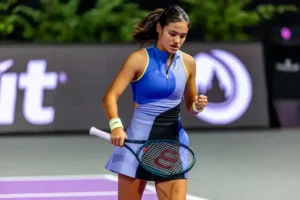
That process requires maturity beyond her years.
At times, people forget how young she still is because of how quickly she became famous. The expectations placed upon her often resemble those aimed at experienced champions in their late twenties rather than a young athlete still learning her craft.
Despite everything, Raducanu has continued showing determination to fight through adversity instead of walking away from the pressure. That resilience deserves recognition.
British tennis, meanwhile, remains eager for her return because of the excitement she generates around the sport. Few players attract public attention the way Raducanu does. Casual sports fans who rarely follow tennis still know her story. Television audiences rise when she plays. Crowds become louder. Media interest intensifies immediately.
Her presence changes the atmosphere of tournaments.
That level of attention can be both a gift and a burden. Every comeback match becomes a headline event. Every defeat becomes a national discussion. Managing those emotional extremes is one of the hardest parts of being a modern sports star.
Some former players believe Raducanu’s future success will depend heavily on building a stable support system around her. Coaching consistency, medical guidance, and careful scheduling could determine whether she eventually fulfills her enormous potential.
There is still plenty of time.
In tennis terms, her career is only beginning. Many great champions experienced injury setbacks early before eventually finding balance and longevity. What matters most now is not immediate domination but gradual progress.
The women’s game is filled with examples of players reinventing themselves after difficult periods. Injuries can sometimes force athletes to become smarter competitors. They learn patience. They improve recovery habits. They understand their bodies more deeply. In some cases, setbacks even strengthen mental toughness.
Raducanu now faces that same opportunity.
The next chapter of her career may look very different from the first. Instead of relying purely on youthful fearlessness, she may return with greater tactical understanding and emotional maturity.
That combination could become extremely dangerous for opponents.
One reason so many fans remain optimistic about Raducanu is because of the unique composure she displayed during her US Open triumph. Winning seven straight matches as a qualifier without dropping a set was not normal. It revealed an ability to handle pressure that few players possess naturally.
Moments like that are difficult to forget.
Even during periods of injury and inconsistency, supporters continue believing she can return to the top because they have already seen evidence of her highest level. Athletes who achieve greatness once are always capable of rediscovering pieces of it again.
The road back will not be perfect. There will almost certainly be difficult matches ahead. Rust is inevitable after time away. Fitness under real match intensity cannot fully be replicated in practice. Some setbacks may still occur.
But simply returning healthy represents an important victory already.
The emotional reaction from fans following confirmation of her comeback highlights how much people still care about her journey. Social media quickly filled with encouragement and excitement. Many supporters expressed relief more than anything else. They simply want to see her competing again without pain or uncertainty surrounding her physical condition.
Inside the tennis world, there is also curiosity regarding how her game may evolve.
During recovery periods, players often work on technical adjustments or tactical improvements. Time away from competition can provide opportunities to refine serve mechanics, improve conditioning, or rethink match strategies. It will be fascinating to see whether Raducanu returns with noticeable changes in her style of play.
Her movement and aggression will likely be key indicators.
At her best, Raducanu plays proactive tennis. She takes the ball early, attacks confidently, and absorbs pressure calmly. When hesitant physically, however, her game naturally becomes more defensive. Observers will therefore closely analyze how freely she commits to her shots.
The support she receives from crowds could also play a huge role emotionally. Fans understand the difficulty of returning after physical struggles, and many will likely rally behind her strongly. Tennis crowds often appreciate resilience as much as brilliance.
Raducanu’s story has always contained elements beyond sport itself. Her multicultural background, intelligence, calm personality, and rapid rise made her relatable to many different audiences worldwide. Young athletes especially look at her journey as proof that extraordinary breakthroughs are possible.
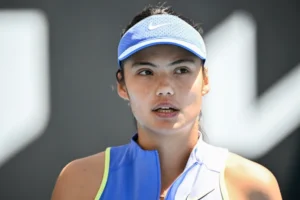
Now they are also seeing another lesson — success is rarely linear.
Professional sport is filled with setbacks, doubts, and unexpected obstacles. Careers do not always progress smoothly after breakthrough moments. Sometimes the hardest challenge comes after achieving success rather than before it.
Raducanu is learning that reality in public view.
There were easier paths she could have chosen. Many athletes facing repeated injury problems become overwhelmed mentally. Some disappear quietly from elite competition altogether. Raducanu instead continues preparing for another fight despite the scrutiny surrounding every step of her career.
That determination may ultimately shape how her story is remembered.
If she manages to stay healthy consistently, few would be surprised to see her rise sharply again in the rankings. Her talent ceiling remains extremely high. Modern tennis rewards aggressive all-court players who can transition quickly between defense and attack — qualities Raducanu naturally possesses.
Still, patience will remain essential.
Fans expecting instant Grand Slam contention again may place unnecessary pressure on her recovery process. Building a sustainable career takes time, especially after physical setbacks. The smarter goal is gradual improvement, stronger conditioning, and consistent tournament participation.
If those foundations become stable, the results will eventually follow.
As the confirmed return date approaches, anticipation continues growing. Tennis supporters are eager to see whether this comeback can finally mark the beginning of a healthier and more stable phase in Raducanu’s career.
There is undeniable emotional weight attached to her first match back. Every point will feel meaningful. Every movement will be examined carefully. Yet beneath all the headlines and expectations lies something very simple — a young athlete trying to rediscover rhythm, health, and happiness in the sport she loves.
Sometimes that human side gets forgotten amid the noise of professional sports.
The past two months reminded everyone how fragile athletic careers can become. One physical issue can completely alter momentum. One setback can delay dreams temporarily. But recovery stories also carry power because they reveal character in ways victories sometimes cannot.
Emma Raducanu now steps into another important chapter.
Not as the fearless teenage sensation shocking the world for the first time, but as a young competitor shaped by adversity, patience, and resilience. Her return is not just about rankings or headlines. It is about proving to herself that difficult periods do not define the rest of a career.
The next few weeks could become crucial for her confidence, her fitness, and perhaps even her long-term direction in tennis. Regardless of results, however, the fact that she is returning at all after another difficult health struggle already says something important about her mindset.
She is still fighting.
And for many fans around the world, that alone is reason enough to believe the best chapters of Emma Raducanu’s story may still be waiting to unfold.
Leave a Reply